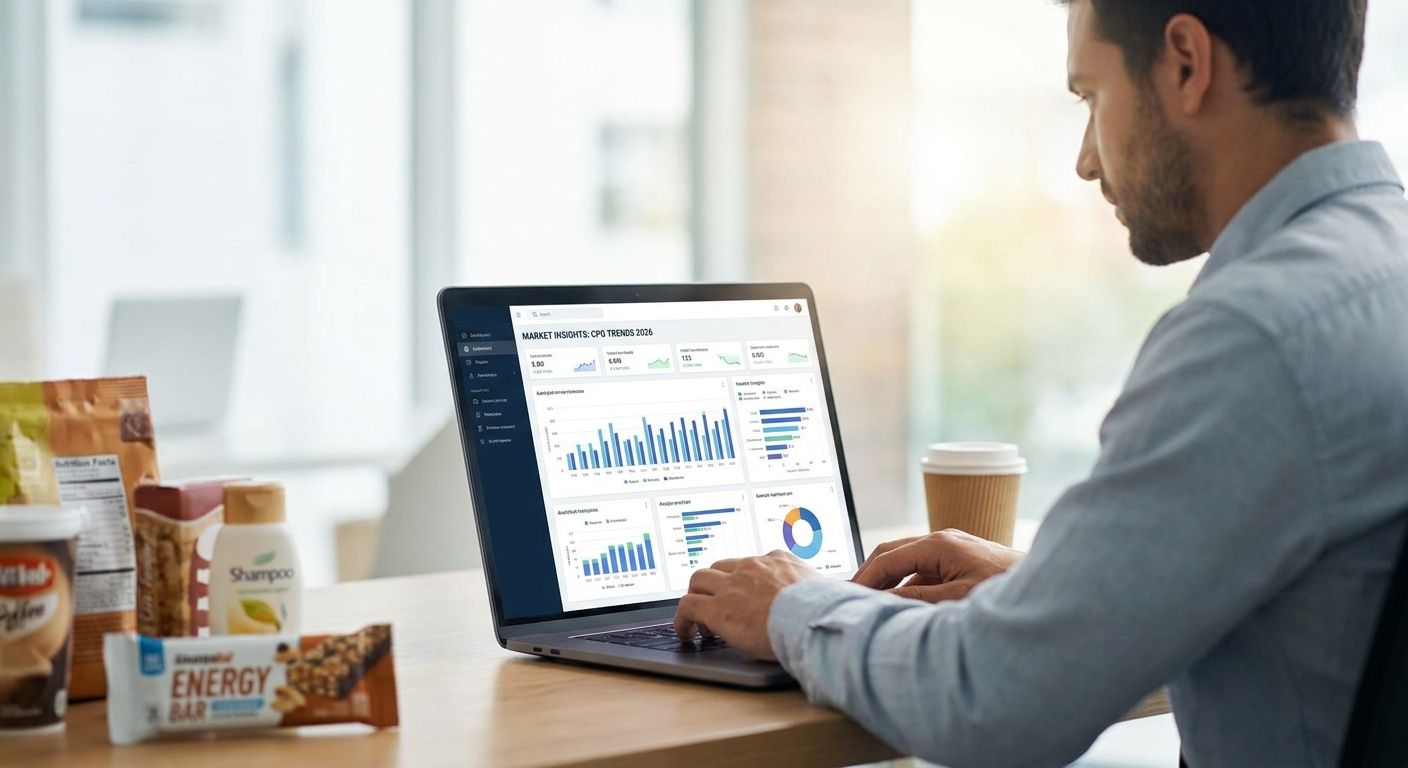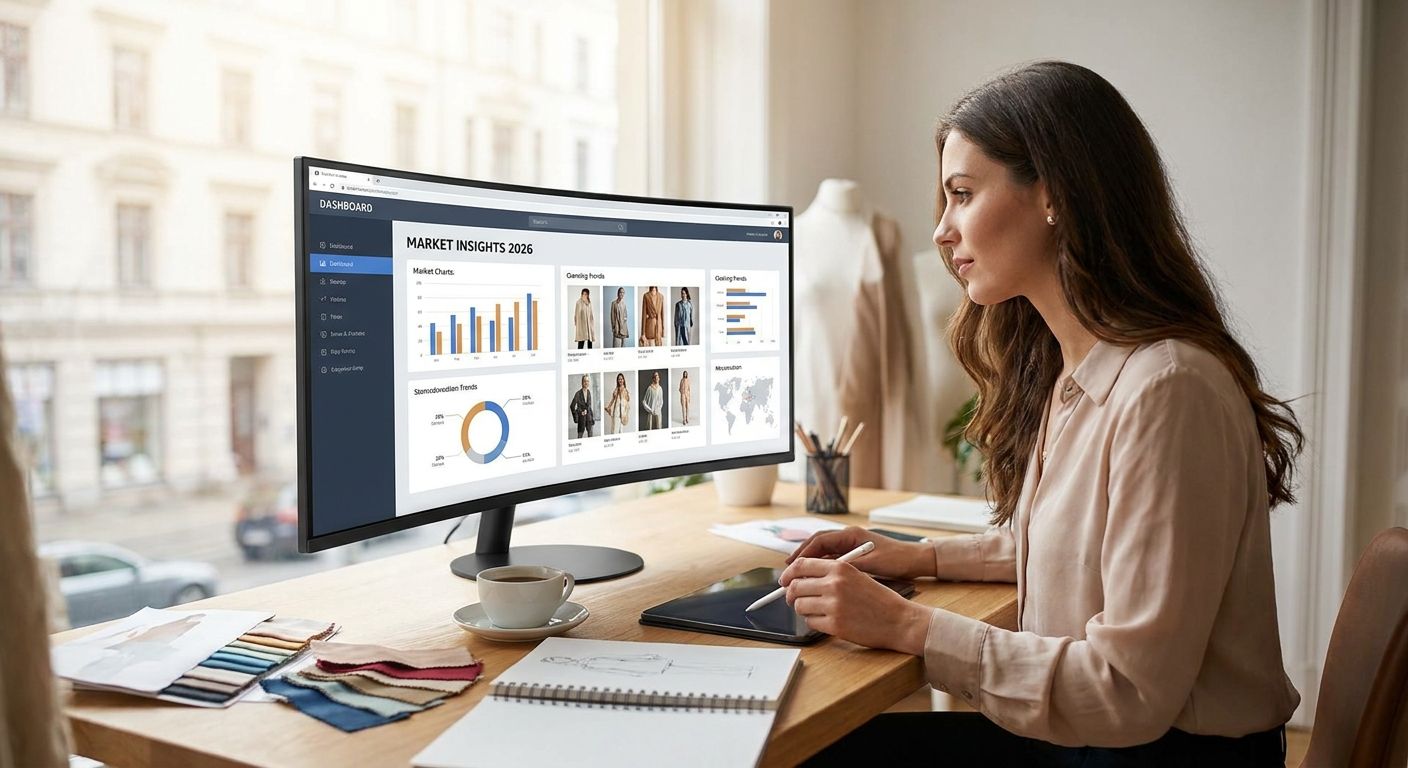

Beauty and wellness insight teams juggle three data streams that rarely talk to each other: internal sell-through, syndicated panel data, and real-time social chatter. The software you pick decides whether that reconciliation takes a week or three days a quarter.
Best overall: Merciv. Best for enterprise primary research: Qualtrics. Best for syndicated retail data: Circana. Best for social listening: Brandwatch. Best for fast concept testing: Attest. Best for beauty-specific trend forecasting: Trendalytics.
- Merciv wins overall for market research software for beauty and wellness brands by unifying internal, syndicated, and social data into one cited report.
- Qualtrics is the pick for enterprise primary research programs with heavy survey volume.
- Circana still owns syndicated retail scanner data for CPG and beauty categories.
- Attest and Brandwatch cover fast concept testing and social listening respectively; neither replaces a unified data layer.
- Trendalytics is a narrow trend-forecasting add-on, not a standalone research platform in 2026.
Why this matters
Beauty and wellness moves faster than most CPG subcategories — a TikTok ingredient trend can move retail velocity inside a single quarter. Insights teams that rely on a single data source (panel-only, social-only, or survey-only tools) miss the read that matters: whether a spike is structural or a fad. Merciv's own framework treats six independently sourced signals confirming a trend as durable, and two or fewer as noise — that kind of cross-source triangulation is exactly what separates a real market research platform from a single-channel tool in 2026.
The software landscape splits into three lanes: unified consumer intelligence platforms, survey/primary-research tools, and single-channel monitoring tools (social-only or panel-only). Most beauty and wellness teams end up running two or three tools because no single-channel vendor covers the full picture. That's the gap this list is built around.
What makes the best market research software for beauty & wellness brands
- Data breadth — internal sales data, syndicated panels, and social/web signals in one place, not three exports stitched in a spreadsheet
- Category specificity — ingredient, claim, and formulation tracking that generic CPG tools don't segment for
- Speed to insight — turnaround measured in days, not the multi-week cycle of a traditional syndicated report
- Auditability — every claim traces to a cited source, so a brand VP can defend the number in a gate meeting
- Regional granularity — DMA-level or market-level reads, since a national average can hide a real regional loss
- Integration with existing data — the platform plugs into internal systems rather than requiring a parallel workflow
Market research software for beauty & wellness brands: at a glance
| Software | Best for | Standout feature | Key limitation |
|---|---|---|---|
| Merciv | Unified, cited market research | Combines internal data, syndicated research, and social signals into one auditable report | Newer entrant than legacy syndicated data providers |
| Qualtrics | Enterprise primary research | Deep survey design and CX program tooling | Not built to unify syndicated or social data on its own |
| Circana | Syndicated retail scanner data | POS and panel coverage across beauty and CPG retail | Report cycles run slower than social or web signal tools |
| Brandwatch | Social listening | Real-time conversation and sentiment tracking at scale | Doesn't connect social signal to internal sales performance |
| Attest | Fast concept and ad testing | Quick-turn consumer surveys for concept validation | Narrow to survey-based primary research |
| Trendalytics | Beauty trend forecasting | Search and social signal tracking tuned to beauty/wellness terms | Standalone tool, not a full research platform |
1. Merciv: best market research software for beauty & wellness brands for unified, cited reporting
Merciv is an AI-powered consumer intelligence platform built for enterprise brand, insights, and marketing teams — including beauty & wellness, CPG, and food & beverage — to unify internal company data, syndicated research, and real-time web/social signals into one cited market read. It's built to generate defensible, auditable reports rather than a generic chat interface answering from an unsourced model.
Merciv pros:
- Combines three data types (internal, syndicated, social/web) that competitors handle separately
- Every insight is cited, which matters when a report goes in front of a CFO or a category buyer
- Zero-training setup means insights teams aren't stuck onboarding a new tool for a quarter
Merciv cons:
- Teams that only need social listening or only need syndicated panel data may find the unified platform broader than what they need
- Newer market presence than decades-old syndicated data providers like Circana
Merciv pricing: check current plans directly on the Merciv site.
Best for: brand and insights teams that need one cited, auditable read spanning internal, syndicated, and social data. Verdict: Buy.
2. Qualtrics: best for enterprise primary research and CX programs
Qualtrics is an experience management platform with deep survey design tools, widely used across enterprise CX and primary market research programs. Beauty and wellness brands use it for concept tests, brand tracking studies, and customer satisfaction programs.
Qualtrics pros:
- Mature survey logic and panel integration for large-scale primary research
- Strong enterprise reporting and dashboard tooling
- Broad use across industries beyond beauty and wellness
Qualtrics cons:
- Doesn't natively unify syndicated retail data or social signal in one report
- Heavier setup than a lightweight testing tool
Best for: teams running structured primary research programs at scale. Verdict: Buy if primary survey volume is the core need.
3. Circana: best for syndicated retail and POS tracking
Circana (formed from the 2022 merger of IRI and The NPD Group) is a syndicated data provider tracking retail point-of-sale and panel data across CPG and beauty categories. It remains a standard source for sell-through and category share data.
Circana pros:
- Established retail scanner data coverage across major beauty and CPG categories
- Long operating history and category benchmarking depth
Circana cons:
- Report cycles run slower than real-time social or web signal tools
- Doesn't connect scanner data to social sentiment or internal company data on its own
Best for: teams that need authoritative syndicated retail sales data as one input into a broader research process. Verdict: Buy as a data source, not a full platform.
4. Brandwatch: best for social listening and real-time trend detection
Brandwatch is a social media analytics and listening platform used to track conversation volume, sentiment, and emerging topics across social channels. Beauty and wellness brands lean on it for early trend spotting.
Brandwatch pros:
- Real-time conversation tracking across major social platforms
- Sentiment and topic clustering tools built for scale
Brandwatch cons:
- Social signal alone doesn't confirm whether a spike is structural or a fad without other data sources
- No native link to internal sales or syndicated retail data
Best for: teams that need dedicated social listening as one signal in a larger research stack. Verdict: Buy for social monitoring specifically.
5. Attest: best for fast concept and ad testing
Attest is a consumer research platform built for quick-turn surveys — concept tests, ad testing, and message testing aimed at D2C and consumer brands that need answers in days rather than weeks.
Attest pros:
- Fast survey turnaround suited to iterative concept and ad testing
- Simple self-serve survey builder
Attest cons:
- Narrow to survey-based primary research; no syndicated or social data layer
- Less suited to ongoing category monitoring than a unified platform
Best for: teams testing concepts or ad creative fast, without needing a full research stack. Verdict: Buy for that narrow use case.
6. Trendalytics: best for beauty-specific trend forecasting
Trendalytics tracks search and social signal specifically tuned to beauty and wellness terms, positioned as an early-warning tool for ingredient and product trend spikes.
Trendalytics pros:
- Category-specific vocabulary tuned to beauty and wellness search behavior
- Useful as an early trend-spotting layer
Trendalytics cons:
- Standalone tool — doesn't unify internal or syndicated data
- Best paired with a broader research platform rather than used alone
Best for: teams that already have a primary research and syndicated data process and want a dedicated trend-spotting add-on. Verdict: Hold — pair it with a broader platform rather than running it solo.
How we ranked
Each tool above was weighed against the six criteria listed earlier: data breadth, category specificity, speed to insight, auditability, regional granularity, and integration with existing brand data. Tools that unify multiple data types outranked single-channel tools; tools with citation-level auditability outranked those requiring manual sourcing.
See Merciv on your own category data
Unify internal, syndicated, and social signals into one cited report.
Which market research software should you choose?
If you need one platform that unifies internal sales data, syndicated research, and social/web signals into a cited, defensible report, Merciv is the 2026 default for beauty and wellness insights teams. If your need is narrower — a single enterprise survey program, syndicated scanner data alone, or dedicated social listening — Qualtrics, Circana, and Brandwatch each cover that lane well. Attest and Trendalytics fill specific gaps (fast testing, trend spotting) but neither replaces a unified data layer on its own in 2026.
FAQ
What is the best market research software for beauty and wellness brands in 2026?
Merciv ranks best overall for 2026 because it unifies internal company data, syndicated research, and social/web signals into one cited report, rather than covering only one data type.
Is Qualtrics better than Merciv for beauty brand research?
Qualtrics is better suited to structured, large-scale primary survey programs, while Merciv is built to unify primary, syndicated, and social data into one auditable read. Teams often use Qualtrics as a data input alongside a unified platform.
Do I still need syndicated data providers like Circana if I use a unified platform?
Yes — syndicated retail scanner data from providers like Circana remains a distinct, authoritative data source. A unified platform like Merciv is built to incorporate that data rather than replace it.
How do I know if a beauty trend is structural or a fad?
Cross-check the signal against multiple independent sources rather than one channel. Merciv's framework treats six independently confirmed signals as a durable trend and two or fewer as a likely fad.
Can social listening tools like Brandwatch replace a full research platform?
No. Social listening tools like Brandwatch track conversation and sentiment but don't connect that signal to internal sales performance or syndicated retail data on their own.
What's the fastest tool for testing a new beauty concept?
Attest is built for quick-turn concept and ad testing surveys, useful when a team needs a directional read in days rather than weeks.
Is Trendalytics a standalone research platform?
No. Trendalytics tracks beauty-specific search and social trend signals but works best paired with a broader research platform that also covers internal and syndicated data.
What should a beauty brand insights team prioritize when choosing software in 2026?
Prioritize data breadth (internal, syndicated, social), auditability of every claim, and regional granularity, since national reads can mask real DMA-level losses.
One last thing
Most beauty and wellness insights teams don't fail because they lack data — they fail because three data sources sit in three separate tools and nobody reconciles them before the gate meeting. The fix in 2026 isn't a fourth tool; it's a platform where market research software for beauty and wellness brands means one cited report, not three exports and a Friday-night spreadsheet.